Listening Intelligence,
visualized.
A music intelligence dashboard offering a deep-dive into listening patterns, taste evolution, and discovery habits — built from real listening data, designed with love, and rendered with D3.js.
Identity
Sonic Fingerprint
What you listen to may give subtle clues about who you are in a musical sense — the artists, genres, and audio features that define your musical identity.
14
+18.5% vs last week
131
+22.1% vs last week
48%
+12.3% vs last week
Top Artists
These are the artists most in rotation for the selected time range above. There is a weekly, trimestral, yearly and all time ranges to pick from.
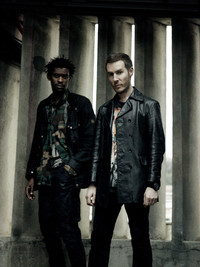
Massive Attack
Electronic
20
plays
1
hours

Soul Wun
Deep House
12
plays
1
hours
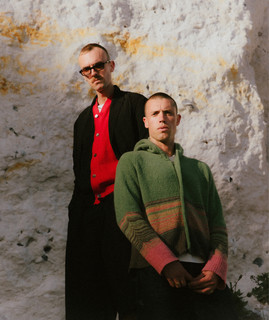
Chaos in the CBD
Deep House
10
plays
1
hours

Tâches
Electronic
8
plays
1
hours

Evren Furtuna
Deep House
7
plays
0
hours
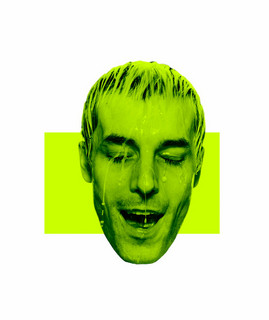
Gab Rhome
Deep House
7
plays
0
hours
Genre Affinity
What are the degrees of attraction to certain musical styles? How broad and deep is your engagement with it is? How strongly you identify with the genre's sound, culture, and aesthetics?
Audio DNA
People high in openness often show strong affinity for complex or novel genres (classical, jazz, eclectic, “experimental” styles), and enjoy exploring new sounds rather than sticking only to familiar hits.
Strong affinity for energetic mainstream genres (chart pop, dance, contemporary rock) often correlates with extraversion and sociability, since this music fits social, party, and group settings.
Very narrow, rigid genre affinity can hint at lower openness and a preference for predictability and clear identity boundaries, whereas broad, flexible affinity suggests curiosity and cognitive flexibility.
People who use music heavily for emotion regulation often show high “musical affinity” in general, which is linked to stronger emotional sensitivity and engagement, regardless of which specific genres they love.
Habits
When and how do you listen?
Your listening rhythms — peak hours, daily patterns, and session behaviors that reveal how music fits into your life.
148min
+7.8% vs last year
22:00
+0.0% vs last year
52min
+11.4% vs last year
Hourly Distribution
Average minutes listened by hour of day
Weekly Heatmap
Listening intensity across every hour of the week
Change
How has your taste evolved?
A year of genre shifts, obsessions, and rediscoveries — the narrative arc of your listening journey.
Listening Phases
This visualization provides insights into taste evolution over time, with recognizable prevalence of certain styles.
The Classical Immersion
Nicholas Britell scores and Händel defined the early months — deep listening to compositional structure and orchestral texture.
The Ambient Descent
Yagya and Giriu Dvasios pulled you into ambient and dub techno territory — long, immersive sessions with minimal variation.
Deep House Summer
Geju, Chaos in the CBD, and Landhouse took over — warm, rhythmic grooves for late-night and weekend sessions.
Electronic Exploration
Max Cooper and Eric Hilton led a broader electronic sweep — trip-hop, downtempo, and experimental textures.
Jazz Interlude
Miles Davis and jazz fusion crept in — a reflective shift toward improvisational and acoustic forms.
The Return to Form
Back to the core — Massive Attack, Skinshape, and downtempo electronica closed out the year.
Discovery
How do you find new music?
The pathways from first listen to heavy rotation — which sources stick, and how quickly new artists earn their place.
131
+14.3% vs last year
2.8week
+10.5% vs last year
18.7%
+6.2% vs last year
Discovery Flow
How new artists travel from discovery source to listening outcome.
DiscoverWeekly
Responsible for the most artists entering rotation
14days
Average time from first listen to regular play
2.8artists/week
Average new artist discovery pace
18.7%
Of discovered artists that make it to rotation
Architecture
How it works
The pipeline from raw listening data to interactive visualization — ingestion, enrichment, derived features, and rendering.
Ingest
Pull listening history from Spotify and Last.fm APIs — every play, timestamp, and context.
Spotify Web API, Last.fm API, OAuth 2.0Enrich
Layer on audio features, artist metadata, genre classification, and release data.
Audio Features API, Last.fm TagsDerive
Build sessions, detect phases, compute discovery timelines, and generate listening narratives.
Custom pipeline, D3 statisticsVisualize
Render interactive charts with D3.js inside a server-rendered Next.js application.
D3.js, React 19, Framer MotionDeploy
Ship to deployment with edge-optimized static generation and on-demand revalidation.
Next.js 16, Edge Runtime©2026 Music Intelligence Engine by FRND | Would you like to create yours? Get in touch.